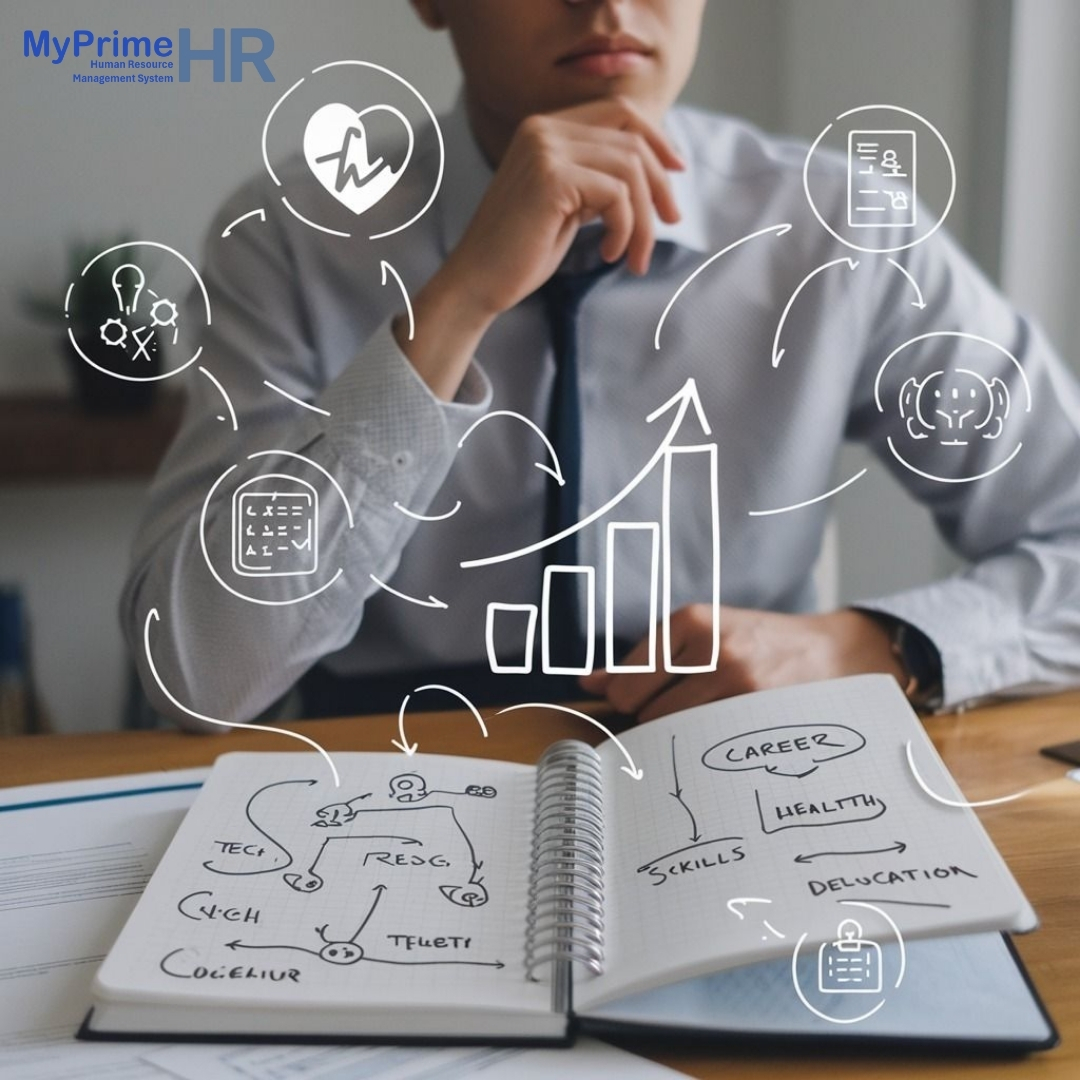
The Problem: HR’s Expanding Role
According to the blog article of Blaise Radley, HR leaders are facing five major challenges:
- Talent retention in a competitive market - With more companies offering flexible work arrangements and competitive benefits, retaining top talent has become increasingly difficult. HR teams must now focus on building strong employee value propositions, improving workplace culture, and offering career growth opportunities to keep employees engaged and loyal.
- AI integration in workforce management - Artificial Intelligence is transforming how HR operates—from automating recruitment to predicting employee turnover. However, integrating AI tools requires HR professionals to understand data ethics, ensure transparency, and balance automation with human judgment to maintain trust and fairness.
- Upskilling employees for future roles - As job roles evolve due to technological advancements, HR must lead efforts to reskill and upskill employees. This involves identifying future skill gaps, designing relevant training programs, and fostering a culture of continuous learning to ensure workforce adaptability.
- Leadership development in HR - HR is no longer just a support function—it’s a strategic partner. Developing leadership within HR means equipping professionals with business acumen, change management skills, and the ability to influence organizational strategy and decision-making.
- Change management in a fast-evolving workplace - Rapid changes in technology, work models, and employee expectations require HR to be agile and proactive. Effective change management involves clear communication, stakeholder engagement, and creating a resilient workforce that can navigate transitions smoothly.
Strategic HR Transformation
To stay ahead, HR teams must evolve—and MyPrimeHR provides the tools to make that transformation possible:
- Embrace AI tools: MyPrimeHR’s recruitment and performance modules help automate candidate screening, track KPIs, and generate insights for smarter hiring and development.
- Invest in continuous learning: Its training and development features allow HR to map competencies, assign learning paths, and monitor progress—all in one platform.
- Foster inclusive, values-driven cultures: With customizable workflows and employee feedback tools, MyPrimeHR supports culture-building and engagement initiatives.
- Collaborate with leadership: MyPrimeHR’s analytics dashboards provide real-time data that HR can use to align strategies with business goals and present actionable insights to executives
The Benefits: Why It Matters
Implementing these strategies leads to measurable improvements across the organization:
- Higher retention: Internal mobility and career tracking features help employees see growth opportunities.
- Smarter hiring: AI-powered tools reduce bias and improve recruitment efficiency.
- Future-ready teams: Upskilling tools prepare employees for evolving roles and responsibilities.
- Stronger leadership: HR becomes a strategic partner with access to data-driven decision-making tools.
Conclusion
HR is no longer confined to administrative tasks—it’s a driving force behind organizational growth and innovation. By embracing smart HR tools like MyPrimeHr , fostering inclusive cultures, and aligning closely with leadership, HR professionals can lead meaningful change across the business. Agility, empathy, and tech-savviness are now essential traits for HR teams navigating hybrid work models and evolving employee expectations. The transformation may be challenging, but the rewards—stronger teams, smarter decisions, and a more resilient organization—are well worth the effort. Now is the time to future-proof your HR strategy and take a proactive role in shaping the workplace of tomorrow.
Keywords: MyPrimeHr, Payroll, HRIS, Human Resource, Smart HR
Reference:
Radley, B. (2025, January 29). What Are the Biggest HR Challenges of 2025? Workday. https://blog.workday.com/en-us/what-are-the-biggest-hr-challenges-of-2025.html